
Expert Advice to Navigate Complex Seasonal Allergy Challenges
For millions, the change of seasons isn't just a time for outdoor beauty it's the start of a grueling battle with pollen, mold, and environmental triggers. While most reach for over-the-counter antihistamines, complex seasonal allergy challenges often require a more sophisticated, expert-driven approach to find true relief.
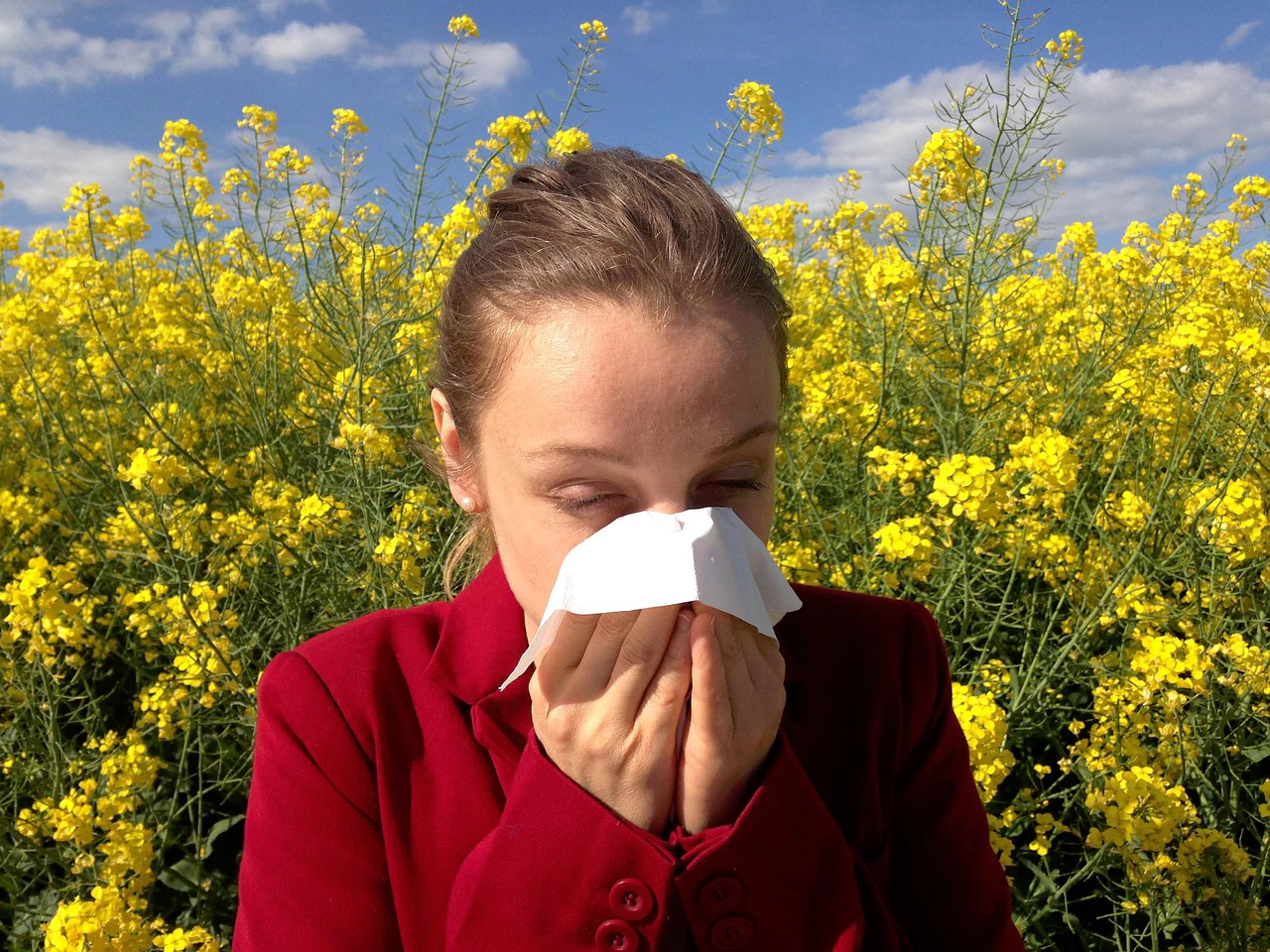
Understanding the "Allergic Load"
The reason some seasons feel worse than others is due to the "Allergic Load." This is the cumulative effect of multiple triggers hitting your system at once. For example, high tree pollen combined with indoor dust mites and pet dander can push your immune system over the edge.
1. Identify Your Specific Triggers
You cannot manage what you haven't identified. Expert advice always begins with Skin Prick Testing or IgE Blood Tests. Knowing exactly whether you react to Oak, Ragweed, or specific Molds allows you to time your medication perfectly.
2. The "Pre-Emptive Strike" Strategy
A common mistake is waiting for itchy eyes and sneezing to start before taking medication. Experts recommend starting nasal steroids or mast-cell stabilizers two weeks before the season typically begins. This prevents the inflammatory response before it gains momentum.
3. Advanced Environmental Controls
To navigate complex allergies, you must turn your home into a sanctuary:
- HEPA Filtration: Use medical-grade air purifiers in the bedroom.
- The "Transition Zone": Remove outdoor clothes immediately upon entering the home and shower before bed to keep pollen off your pillow.
Monitor Local Counts: Use real-time pollen tracking apps to plan outdoor exercise for low-count times (usually late afternoon).
When Conventional Methods Fail: Immunotherapy
If daily pills aren't enough, it's time to consider Immunotherapy (Allergy Shots). This is the only treatment that modifies the underlying disease. By exposing your body to tiny, increasing amounts of your specific allergens, your immune system eventually learns to stop overreacting.
Frequently Asked Questions (FAQ)
Q: Why are my allergies getting worse as I get older?
A: Your immune system changes over time, and repeated exposure to environmental pollutants can increase sensitivity. Additionally, climate change has led to longer and more intense pollen seasons.
Q: Is it a cold or seasonal allergies?
A: Allergies typically lack a fever and feature thin, clear mucus and itchy eyes. If your symptoms last longer than two weeks, it is likely an allergy rather than a viral cold.
Q: Can diet affect my seasonal allergies?
A: Yes. Some people experience Oral Allergy Syndrome, where certain raw fruits (like apples or melons) trigger an itchy throat because their proteins mimic seasonal pollens.
Call us today at 832-800-3213 ext. 2 to schedule your allergy consultation and build a plan that actually works.